
Unlock the Secrets of Weight Loss Without the Gym
|
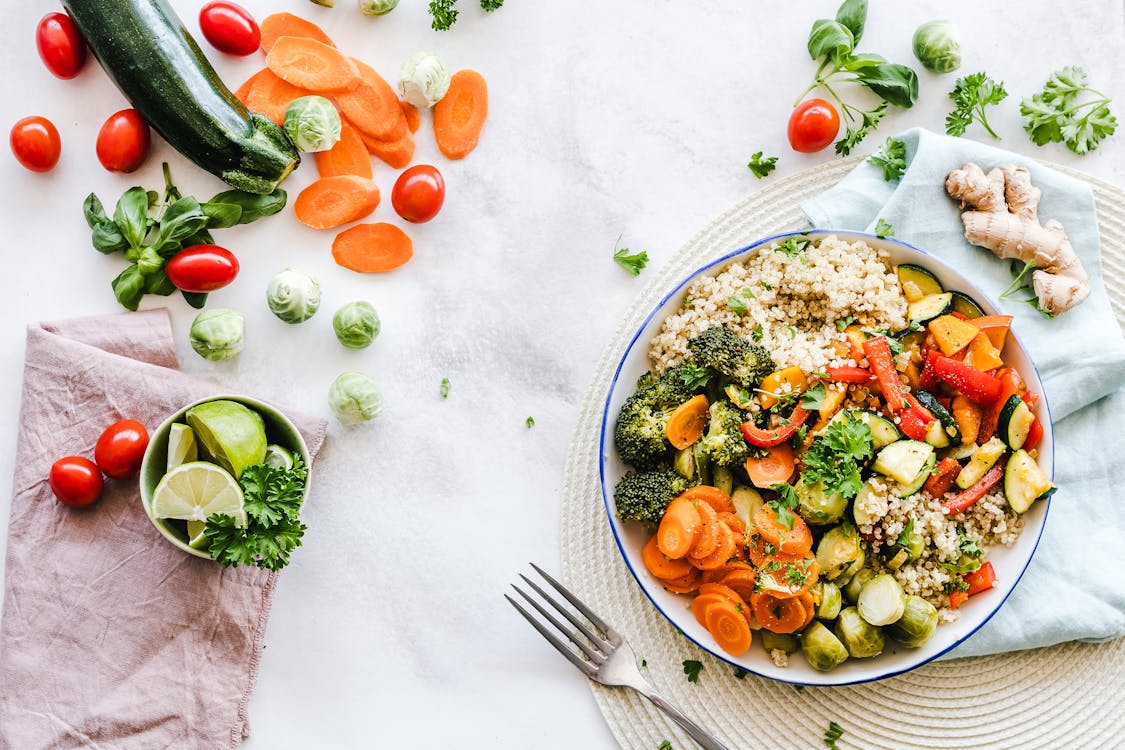
| Mastering nutrition is the key to weight loss without exercise. |
Understand the Calorie Deficit
- Calculate your Total Daily Energy Expenditure (TDEE) using an online calculator to know exactly how many calories you burn at rest.
- Subtract 500 calories from your TDEE number to create a safe deficit that results in losing about one pound per week.
- Focus on "Volume Eating," which means consuming large amounts of low-calorie foods like vegetables to feel full without overeating.
- Track your daily intake using a food diary or an app to ensure you are staying within your limits honestly and accurately.
- Adjust your intake based on your progress; if the scale stops moving, you may need to slightly lower your calories further.
- Understand that consistency is more important than perfection; one bad meal will not ruin your progress if you get back on track immediately.
Plan Your Nutrition Strategy
- Prioritize Protein 📌Protein is the most satiating nutrient. Eating plenty of protein reduces hunger hormones and boosts your metabolism slightly through the thermic effect of food.
- Increase Fiber Intake 📌Fiber acts like a sponge in your digestive system, slowing down digestion and keeping you full for hours. It is found in vegetables, fruits, and legumes.
- Cut Liquid Calories 📌Sugary sodas, juices, and fancy coffees are hidden calorie bombs. Swapping these for water or herbal tea can save hundreds of calories.
- Control Portion Sizes 📌Use smaller plates to trick your brain into thinking you are eating more. This psychological hack is surprisingly effective for reducing overall intake.
- Reduce Refined Carbs📌 Foods like white bread and pasta spike blood sugar rapidly(Insulin) Leading to crashes that cause hunger cravings Choosing whole grains prevents these spikes and stabilizes energy.
- Read Food Labels Carefully 📌Many "healthy" foods are packed with added sugars and fats. Reading labels helps you make informed decisions and avoid accidental overeating.
- Meal Prep in Advance 📌When you have healthy food ready to eat, you are less likely to order takeout. Preparation is the best defense against impulsive eating choices.
- Eliminate Processed Snacks 📌Chips and cookies are designed to be hyper-palatable, making it hard to stop eating them. Keeping them out of the house removes the temptation entirely.
Focus on Sleep and Hydration
- Drink Water Before Meals Drinking a large glass of water 30 minutes before eating can fill your stomach and naturally reduce the amount of food you consume during the meal.
- Prioritize 7-8 Hours of Sleep Poor sleep increases the hormone Ghrelin (which makes you hungry) and decreases Leptin (which signals fullness), leading to overeating the next day.
- Limit Salt Intake Excess sodium causes your body to hold onto water weight. Reducing salt helps you look leaner and drops the number on the scale quickly.
- Avoid Late Night Eating Eating right before bed can disrupt sleep quality. Try to finish your last meal at least three hours before you go to sleep.
- Manage Stress Levels High stress triggers the release of Cortisol, a hormone that encourages fat storage, especially around the belly area.
- Drink Green Tea Green tea contains antioxidants called catechins which may help boost metabolism slightly and assist in burning fat.
- Stick to a Schedule Going to bed and waking up at the same time every day helps regulate your circadian rhythm, which in turn helps regulate your metabolism.
Mindful Eating Practices
Practicing mindfulness changes the way you view meals. It is not just about restriction; it is about appreciation. When you chew slowly and savor every bite, you feel satisfied with smaller portions. This is crucial when you are not burning extra calories through activity.
You can transform your body simply by changing how you eat, not just what you eat. By eliminating distractions like TV or phones during meals, you prevent "mindless munching." This awareness is a cornerstone of sustainable weight loss. Therefore, do not underestimate the power of your mind in your weight loss journey; use it to build habits that last a lifetime.
Interact with Your Habits
Interacting with your daily habits and triggers is a decisive factor in your weight loss success. When you identify the bad habits that lead to weight gain and replace them with positive ones, you see results. Here are effective strategies to change your behavior and lifestyle.
- Keep a Food Journal👈 Writing down everything you eat increases awareness. You will be surprised how many "little snacks" add up to hundreds of calories by the end of the day.
- Identify Emotional Triggers👈 Notice if you eat when you are sad, stressed, or bored. Finding non-food ways to cope with these emotions is vital for success.
- Use Visual Cues👈 Keep healthy foods like fruits visible on the counter, and hide junk food in hard-to-reach cupboards. Out of sight, out of mind.
- Wait 20 Minutes👈 If you feel a craving, tell yourself to wait 20 minutes. Usually, the urge to eat is temporary and will pass if you distract yourself.
- Brush Your Teeth Early👈 Brushing your teeth immediately after dinner sends a signal to your brain that "eating time" is over for the day.
- Join a Community👈 Find online forums or friends who are also trying to lose weight. having support keeps you accountable and motivated when things get tough.
Optimize Your Gut Health
- Eat Fermented Foods Incorporate foods like yogurt, kimchi, sauerkraut, and kefir into your diet. These are rich in probiotics which introduce healthy bacteria to your system.
- Diversify Your Plants Aim to eat 30 different types of plants per week. A diverse diet leads to a diverse microbiome, which is linked to lower body fat levels.
- Avoid Artificial Sweeteners Some studies suggest that artificial sweeteners can negatively alter gut bacteria, potentially leading to glucose intolerance and weight gain.
- Limit Antibiotic Use Use antibiotics only when absolutely necessary and prescribed by a doctor, as they can wipe out good bacteria along with the bad, slowing down your digestion.
- Prebiotic Fiber Feed your good bacteria with prebiotics found in garlic, onions, bananas, and asparagus. This keeps your gut flora flourishing and active.
- Stay Consistent Gut health doesn't change overnight. It requires consistent intake of fiber and probiotics to shift your internal ecosystem toward one that promotes leanness.
- Lower Sugar Intake Bad bacteria thrive on sugar. Starve them out by reducing sugary treats, which will reduce bloating and inflammation in the body.
- Listen to Your Gut Pay attention to how foods make you feel. Bloating and lethargy are signs of poor digestion. Eliminate foods that cause distress to keep your metabolism efficient.
Continue Learning and Adapting
Continuing to learn and adapt is essential for long-term weight management. The body is smart and will eventually adapt to a lower calorie intake, which may cause your weight loss to stall. This is known as a plateau. By staying educated, you can learn how to adjust your macros, cycle your calories, or try new nutritional approaches like Intermittent Fasting to break through these plateaus.
Invest time in reading reputable articles about nutrition and biology. Understand how insulin works, why protein is crucial, and how stress affects the body. There is no one-size-fits-all approach, and what works for someone else might not work for you. By treating your body like a science experiment, you can tweak your variables to find the perfect formula for your unique physiology.
Furthermore, staying updated helps you avoid fad diets and dangerous supplements. The weight loss industry is full of scams. Knowledge is your shield against false promises. When you understand the science of energy balance, you realize there are no magic pills, only consistency and biology. This empowers you to take control of your health permanently.
Ultimately, a commitment to learning reflects your true desire to change your life. It transforms weight loss from a temporary "diet" into a permanent lifestyle change, ensuring that once the weight comes off, it stays off forever without the need for excessive exercise.
Have Patience and Persistence
- Trust the math.
- Focus on non-scale victories.
- Forgive yourself for slip-ups.
- Celebrate small milestones.
- Stay consistent on weekends.
- Ignore rapid weight loss scams.
- Embrace the slow journey.
Additionally, you must prioritize sleep, hydration, and stress management, as these hidden factors heavily influence your weight. By adopting these strategies intelligently and consistently, anyone can shed unwanted pounds and achieve a healthier body through the power of diet alone.
